
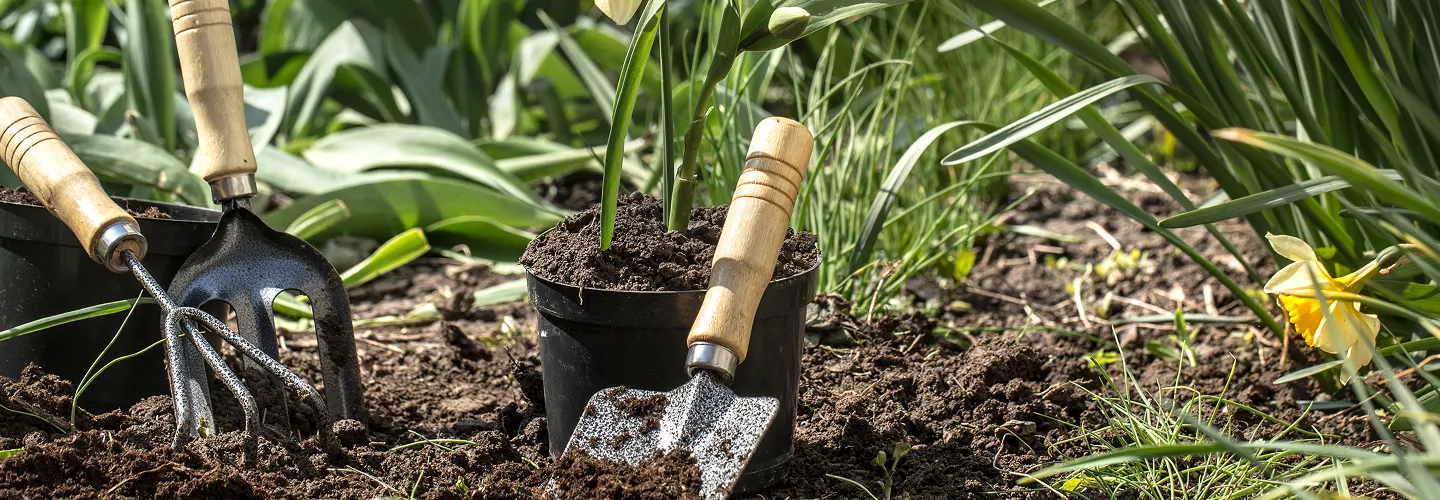
San Marcos Lawn Installation Services
Choose our expert lawn installation for a seamless, hassle-free transformation—enjoy a vibrant, healthy yard that boosts your home's curb appeal and value, all backed by our commitment to quality and customer satisfaction.
Get a Free QuoteOur San Marcos Landscaping & Yard Care Services
When to Schedule Lawn Installation in San Marcos, Texas – Seasonal Guide
Choosing the right time for lawn installation in San Marcos, Texas, is essential for achieving a healthy, resilient yard. The region’s climate—marked by hot summers, mild winters, and variable rainfall—means that timing your project can make a significant difference in the success of your new lawn. Generally, the best periods for installation are early spring and early fall, when soil temperatures are warm enough to encourage root growth but not so hot that new grass struggles to establish.
Local factors such as the proximity to the San Marcos River, the shade provided by mature oaks in neighborhoods like Willow Creek, and the clay-heavy soils common in areas near Texas State University all play a role in determining the optimal installation window. Homeowners should also consider the last frost date, which typically falls in late February, and the increased drought risk during late summer. For more information on local environmental guidelines, visit the official city resource.
Local Factors to Consider for Lawn Installation in San Marcos
- Tree density and shade coverage, especially in older neighborhoods
- Soil type and drainage, with clay soils requiring special preparation
- Seasonal precipitation patterns and drought risk
- Terrain and slope, which affect water runoff and soil erosion
- Municipal watering restrictions and local ordinances
Benefits of Lawn Installation in San Marcos
Expert Local Knowledge
Premium Quality Sod
Efficient Installation Process
Customized Lawn Solutions
Sustainable Landscaping Practices
Comprehensive Aftercare Support

San Marcos Lawn Installation Types

Sod Installation
-
Hydroseeding
-
Artificial Turf Installation
-
Native Grass Planting
-
Drought-Tolerant Lawn Installation
-
Overseeding Existing Lawns
-
Zoysia and Bermuda Grass Installation
Our Lawn Installation Process
Site Evaluation
Soil Preparation
Lawn Installation
Watering and Initial Care
Why Choose San Marcos Landscape Services
San Marcos Homeowners Trust Us
-
Expert Lawn Maintenance
-
Reliable Irrigation Solutions
-
Comprehensive Yard Cleanup
-
Competitive Pricing
-
Professional Team
-
Satisfaction Guarantee
-
Personalized Service
Soil Series and Drainage Considerations for Lawn Installation in San Marcos
San Marcos’s landscape is shaped by the presence of Houston Black clay and Lewisville silty clay loam, both of which are prevalent in residential areas and influence lawn installation outcomes. These soils are characterized by moderate to poor drainage, high shrink-swell potential, and pH levels typically ranging from 7.2 to 8.0. Before installation, it is recommended to conduct a soil test through Texas A&M AgriLife Extension to determine nutrient needs and pH adjustments. For optimal turf establishment, incorporate 2-3 inches of compost tilled to a 6-inch depth and consider gypsum amendments for heavy clay. Core aeration to a depth of 2-3 inches is advised to alleviate compaction. Avoid installation in areas with standing water or where the seasonal water table is within 18 inches of the surface. Research local soil series using the USDA Web Soil Survey for site-specific recommendations.
Seasonal Timing and Climate Zone Guidance for San Marcos Turf Establishment
San Marcos is located in USDA Hardiness Zone 8b, with average annual minimum temperatures of 15-20°F and a growing season extending from mid-March through early November. The optimal window for warm-season sod installation, such as bermudagrass (Cynodon dactylon) or zoysiagrass (Zoysia japonica), is April 1 to June 15, when soil temperatures consistently exceed 65°F. For cool-season overseeding, target October 1 to November 15, avoiding the summer heat stress period. Monitor local weather patterns using the National Weather Service Austin/San Antonio Office. Irrigation should be scheduled before 10:00 AM or after 7:00 PM to minimize evaporation, in accordance with city water conservation guidelines. Avoid installation during periods of heavy rainfall or drought to ensure proper root establishment and minimize soil erosion.
Municipal Coordination and Lawn Installation Permitting in San Marcos
Lawn installation projects in San Marcos must comply with city ordinances regarding grading, stormwater management, and right-of-way work. Permitted hours for landscape equipment operation are:
- Monday-Friday: 7:00 AM - 7:00 PM
- Saturday: 8:00 AM - 6:00 PM
- Sunday and holidays: Prohibited Permits are required for any grading that alters drainage patterns or disturbs more than 5,000 square feet of soil, with a typical review period of 5-10 business days and an application fee of $75. All debris generated must be disposed of through the city’s weekly yard waste collection program, which accepts grass, sod, and brush in biodegradable bags or 32-gallon containers. For ordinance details and permit applications, consult the San Marcos Code of Ordinances.
San Marcos Public Works Department
630 E Hopkins St, San Marcos, TX 78666
Phone: (512) 393-8036
Official Website: San Marcos Public Works Department
Environmental Compliance: Stormwater, Buffer Zones, and State Regulations
Lawn installation in San Marcos must adhere to the city’s MS4 stormwater permit requirements under the Clean Water Act and Texas Water Code. It is prohibited to discharge soil, sod, or grass clippings into storm drains or waterways. Maintain a 25-foot no-disturbance buffer from wetlands and a 50-foot setback from the San Marcos River and its tributaries. Fertilizer and pesticide applications are restricted within 50 feet of water bodies to prevent nutrient runoff. The Texas Commission on Environmental Quality (TCEQ) oversees state-level compliance, while the San Marcos Environmental Protection Program provides local guidance on pollution prevention and sensitive area protection.
San Marcos Environmental Protection Program
630 E Hopkins St, San Marcos, TX 78666
Phone: (512) 393-8400
Official Website: San Marcos Environmental Protection Program
Texas Commission on Environmental Quality
12100 Park 35 Circle, Austin, TX 78753
Phone: (512) 239-1000
Official Website: Texas Commission on Environmental Quality
Professional Standards and Safety Protocols for Lawn Installation in San Marcos
All lawn installation work in San Marcos must meet professional safety and equipment standards. Operators are required to use commercial-grade sod cutters, tillers, and compactors, with blade sharpening every 20-25 hours of use. Personal protective equipment (PPE) must include:
- Eye protection: ANSI Z87.1 safety glasses
- Hearing protection: Earmuffs or plugs for 85+ dB noise
- Footwear: Steel-toed boots with non-slip soles
- Gloves: Cut-resistant for sod handling Maintain a 15-foot clearance from overhead utilities and a 10-foot buffer from public sidewalks. All personnel working within 50 feet of public roads must wear high-visibility vests. For projects near city parks or public spaces, coordinate with the San Marcos Parks and Recreation Department for access and scheduling.
San Marcos Parks and Recreation Department
401 E Hopkins St, San Marcos, TX 78666
Phone: (512) 393-8400
Official Website: San Marcos Parks and Recreation Department
What Neighborhoods Do We Serve Throughout San Marcos, TX?
- Blanco Gardens: Characterized by Houston Black clay soils with moderate drainage and frequent flooding concerns, requiring careful grading and erosion control during installation.
- Heritage Neighborhood District: Features mature tree canopies and compacted urban soils, necessitating core aeration and shade-tolerant turf species for successful establishment.
- Willow Creek: Large lots with gently sloping terrain and Lewisville silty clay loam, offering good drainage but requiring attention to slope stabilization and runoff management.
- Downtown San Marcos: Dense development, limited equipment access, and historic district regulations influence installation methods and scheduling.
- Spring Lake Hills: Proximity to the San Marcos River and protected wetlands imposes strict buffer requirements and limits on fertilizer use.
- Hughson Heights: Elevated sites with variable soil depth and rocky subsoils, demanding thorough soil amendment and compaction mitigation.
- Castle Forest: Suburban area with newer construction, moderate clay content, and HOA landscaping standards affecting turf selection and maintenance practices.