
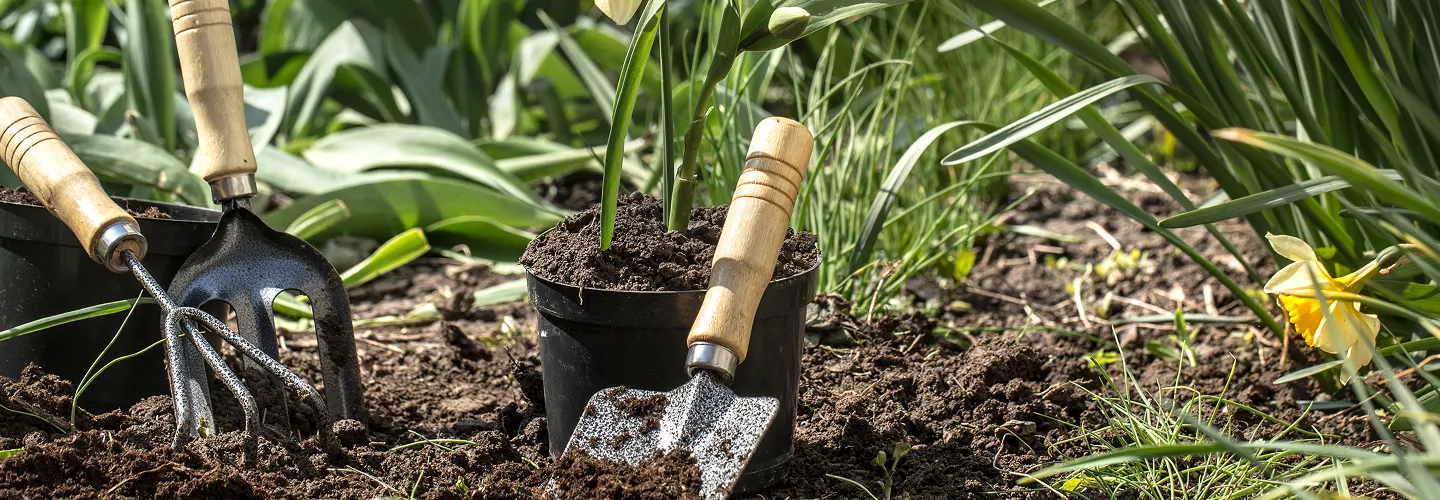
San Marcos Dethatching Lawn Services
Choose our dethatching lawn services for a healthier, greener yard—our experienced team removes built-up thatch to improve soil health, boost grass growth, and ensure your lawn looks its best all year round.
Get a Free QuoteOur San Marcos Landscaping & Yard Care Services
When to Schedule Dethatching Lawn in San Marcos, Texas – Seasonal Guide
In San Marcos, Texas, the best time to schedule dethatching for your lawn is typically in late spring or early fall, when warm-season grasses like Bermuda and St. Augustine are actively growing. The region’s climate—characterized by hot summers, mild winters, and variable rainfall—means timing is crucial to avoid stressing your turf. For neighborhoods near the San Marcos River or around Texas State University, where humidity and shade coverage can vary, it’s important to consider how microclimates affect grass recovery after dethatching.
Local environmental factors such as the last frost date (usually in early March), periods of drought risk during late summer, and the heavy clay soils common in areas like Willow Creek and Blanco Gardens all play a role in determining the optimal dethatching window. Additionally, municipal watering restrictions and seasonal precipitation patterns should be reviewed on the official city website before scheduling service.
Local Factors to Consider for Dethatching Lawn in San Marcos
- Tree density and shade coverage, especially in older neighborhoods like Heritage
- Soil type (clay vs. sandy loam) and drainage characteristics
- Recent precipitation and forecasted rainfall
- Local frost dates and risk of late cold snaps
- Municipal watering restrictions and seasonal ordinances
- Terrain slope and risk of runoff
- Proximity to rivers or flood-prone areas
Benefits of Dethatching Lawn in San Marcos
Improved Lawn Health
Enhanced Grass Growth
Increased Water Absorption
Reduced Pest and Disease Risk
Boosted Curb Appeal
Professional Landscaping Expertise
San Marcos Dethatching Lawn Types

Bermuda Grass Dethatching
-
St. Augustine Grass Dethatching
-
Zoysia Grass Dethatching
-
Fescue Grass Dethatching
-
Ryegrass Dethatching
-
Buffalo Grass Dethatching
-
Bluegrass Dethatching
Our Dethatching Lawn Process
Lawn Evaluation
Thatch Depth Measurement
Dethatching Equipment Setup
Thatch Removal
Cleanup and Disposal
Why Choose San Marcos Landscape Services
San Marcos Homeowners Trust Us
-
Expert Lawn Maintenance
-
Reliable Irrigation Solutions
-
Comprehensive Yard Cleanup
-
Competitive Pricing
-
Professional Team
-
Satisfaction Guarantee
-
Personalized Service
Dethatching Lawn Services and San Marcos’s Blackland Prairie Soils
San Marcos lawns are predominantly established on Houston Black clay and Heiden clay soils, as identified by the USDA Web Soil Survey. These soils are characterized by high clay content, slow drainage, and a tendency toward compaction, which can exacerbate thatch accumulation. Dethatching in these conditions requires specialized equipment capable of penetrating dense, cohesive soil layers. For optimal results, dethatching tines should reach a depth of 0.5 to 1 inch, with multiple passes recommended for areas with excessive thatch. Soil pH in San Marcos typically ranges from 7.5 to 8.2, so it is advisable to test soil before applying amendments. Residents are encouraged to consult Texas A&M AgriLife Extension for soil testing and amendment guidance. Proper dethatching supports healthy turf by improving water infiltration and reducing disease risk, especially in neighborhoods with mature St. Augustine or Bermuda grass lawns.
Seasonal Timing and Weather Considerations for Dethatching in San Marcos
The optimal window for dethatching in San Marcos aligns with the city’s USDA Hardiness Zone 8b climate and local weather patterns. Dethatching is best performed from late March through mid-April, when soil temperatures consistently reach 60°F and warm-season grasses begin active growth. Avoid dethatching during summer heat (June-August) to prevent turf stress and in late fall to reduce winter injury risk. Monitor local forecasts through the National Weather Service Austin/San Antonio Office to avoid scheduling during heavy rainfall, which can lead to soil compaction and runoff. Recommended timing guidelines include:
- Spring dethatching: March 20 – April 15 (soil temp 60-65°F)
- Avoid: June-August (heat stress period)
- Fall dethatching: Not recommended for warm-season grasses Proper timing ensures rapid turf recovery and minimizes environmental impact.
Municipal Coordination and Yard Waste Disposal Protocols in San Marcos
Dethatching generates significant organic debris that must be managed in accordance with San Marcos municipal protocols. The city provides weekly yard waste collection every Thursday from April through November. Residents must use biodegradable paper bags or reusable bins (32-gallon maximum) for thatch and grass clippings; plastic bags are prohibited. Branches and debris over 4 inches in diameter are not accepted in curbside collection. For large volumes, the San Marcos Public Works Department directs residents to the city’s brush drop-off facility. Compliance with these procedures prevents stormwater violations and supports citywide environmental goals.
San Marcos Public Works Department
630 E Hopkins St, San Marcos, TX 78666
Phone: (512) 393-8036
Official Website: San Marcos Public Works Department
Improper disposal may result in code enforcement action under San Marcos Code of Ordinances.
Environmental Compliance: Stormwater and Buffer Zone Regulations in San Marcos
Dethatching activities in San Marcos must comply with local and state environmental regulations to protect the San Marcos River, Spring Lake, and associated wetlands. The city’s MS4 permit, administered under the Clean Water Act and enforced by the Texas Commission on Environmental Quality (TCEQ), prohibits the discharge of organic debris into storm drains. Maintain a minimum 25-foot buffer from wetlands and water bodies when dethatching or disposing of debris. Fertilizer and pesticide applications following dethatching must not occur within 50 feet of streams or springs. The San Marcos Environmental Protection Program provides additional guidance on compliance and reporting violations.
San Marcos Environmental Protection Program
630 E Hopkins St, San Marcos, TX 78666
Phone: (512) 393-8400
Official Website: San Marcos Environmental Protection Program
Equipment Operation Standards and Noise Ordinance Compliance in San Marcos
Operation of dethatching equipment in San Marcos is regulated by city noise ordinances to minimize disturbance in residential areas. Permitted hours for powered lawn equipment are:
- Monday-Friday: 7:00 AM – 7:00 PM
- Saturday: 8:00 AM – 6:00 PM
- Sunday and holidays: Prohibited All commercial operators must use equipment with functioning mufflers and maintain noise levels below 85 decibels at property lines. Personal protective equipment (PPE) is required, including ANSI Z87.1 safety glasses, hearing protection for noise above 85 dB, and steel-toed boots. When working near public rights-of-way, maintain a 15-foot clearance from traffic and utilities. For additional safety and compliance information, consult the San Marcos Code of Ordinances and coordinate with the San Marcos Public Works Department.
What Neighborhoods Do We Serve Throughout San Marcos, TX?
- Blanco Gardens: Characterized by mature St. Augustine lawns and periodic flooding from the Blanco River, requiring careful dethatching to prevent soil compaction and runoff.
- Heritage District: Features historic properties with established turf and compacted soils, often necessitating multiple dethatching passes and compliance with local preservation guidelines.
- Willow Creek: Large lots with Bermuda grass and moderate slopes; attention to drainage and debris containment is essential to prevent runoff into nearby creeks.
- Millview West: Dense residential development with limited yard access and heavy clay soils, making equipment selection and timing critical for effective dethatching.
- Hughson Heights: Elevated terrain with mixed grass species and variable soil pH, requiring tailored dethatching and soil amendment strategies.
- Sessom Creek: Proximity to protected riparian zones and the San Marcos River mandates strict adherence to buffer requirements and stormwater controls during dethatching operations.
- Cottonwood Creek: Newer developments with engineered soils and HOA landscaping standards, where compliance with both city and association guidelines is necessary for all lawn care activities.