
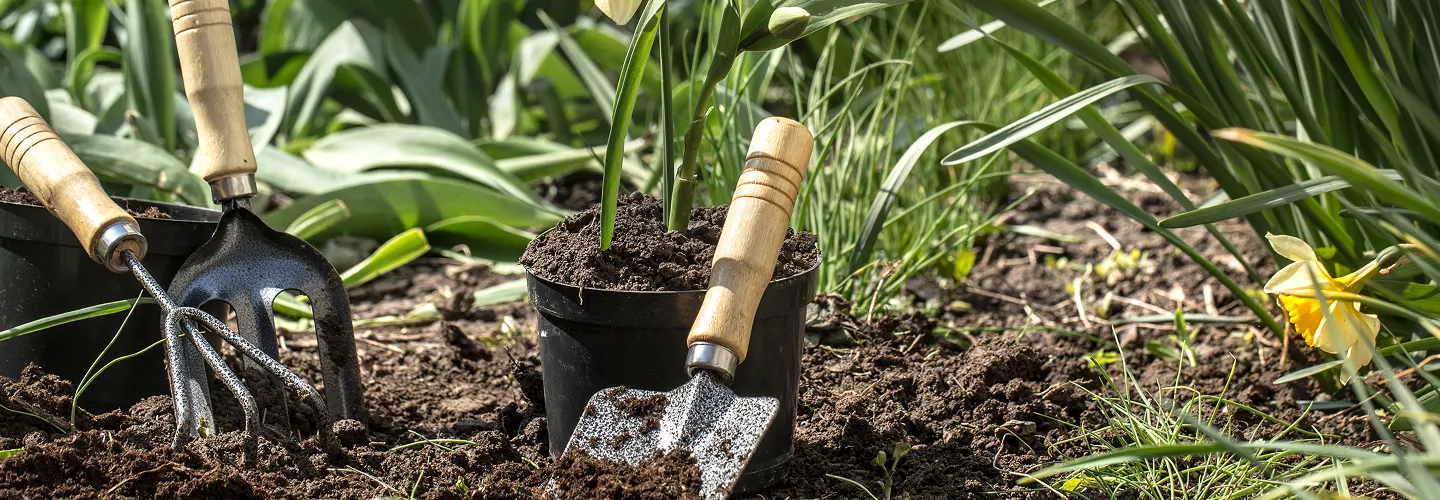
San Marcos Flower Planting Services
Choose our flower planting services for vibrant, expertly arranged blooms that enhance your curb appeal and thrive in San Marcos’ unique climate—bringing lasting beauty to your home or business.
Get a Free QuoteOur San Marcos Landscaping & Yard Care Services
When to Schedule Flower Planting in San Marcos, Texas – Seasonal Guide
Flower planting in San Marcos, Texas, is best scheduled with careful attention to our region’s unique climate and landscape. The optimal planting windows are typically early spring (late February to early April) and early fall (late September to mid-October), when temperatures are moderate and rainfall is more predictable. These periods allow new plantings to establish strong root systems before the intense summer heat or occasional winter frosts. Neighborhoods near the San Marcos River, such as Blanco Gardens and Willow Creek, often experience higher humidity and richer soils, which can extend the planting season slightly compared to drier, upland areas.
Local environmental factors play a significant role in determining the best time for flower planting. San Marcos’s last average frost date is usually in early March, so planting after this point reduces the risk of cold damage. However, drought risk increases as summer approaches, especially in areas with less shade or sandy soils, such as those near Purgatory Creek Natural Area. Homeowners should also consider municipal watering restrictions, which can impact irrigation schedules. For more information on local guidelines and resources, visit the official city website.
Local Factors to Consider for Flower Planting in San Marcos
- Proximity to the San Marcos River or other water sources
- Tree density and available shade in neighborhoods like Blanco Gardens
- Soil type (loamy, clay, or sandy) and drainage characteristics
- Average precipitation and drought risk during late spring and summer
- Municipal watering restrictions and seasonal ordinances
- Terrain variations, such as slopes or low-lying areas prone to pooling
Benefits of Flower Planting in San Marcos
Enhanced Curb Appeal
Increased Property Value
Expert Plant Selection
Seasonal Color Variety
Low-Maintenance Solutions
Eco-Friendly Landscaping

San Marcos Flower Planting Types

Annual Flower Beds
-
Perennial Gardens
-
Native Wildflower Plantings
-
Seasonal Color Displays
-
Pollinator-Friendly Gardens
-
Shade-Loving Flower Beds
-
Drought-Tolerant Plantings
Our Flower Planting Process
Site Evaluation
Soil Preparation
Plant Selection
Careful Planting
Watering and Mulching
Why Choose San Marcos Landscape Services
San Marcos Homeowners Trust Us
-
Expert Lawn Maintenance
-
Reliable Irrigation Solutions
-
Comprehensive Yard Cleanup
-
Competitive Pricing
-
Professional Team
-
Satisfaction Guarantee
-
Personalized Service
Soil Series and Drainage Considerations for Flower Planting in San Marcos
San Marcos is characterized by Houston Black clay and Lewisville silty clay loam soils, as identified by the USDA Web Soil Survey. These soils are moderately alkaline (pH 7.5-8.2) and exhibit slow to moderate drainage, which can impact root development and water management for flower beds. When preparing planting sites, it is recommended to incorporate 2-3 inches of compost tilled to a 6-inch depth to improve structure and drainage. Soil testing through Texas A&M AgriLife Extension (typical cost: $15-25) is advised to determine amendment needs. For areas with poor drainage, raised beds at least 8-12 inches high are recommended. Mulching with 2-3 inches of organic material helps retain moisture and suppress weeds.
San Marcos Public Works Department
630 E Hopkins St, San Marcos, TX 78666
Phone: (512) 393-8036
Official Website: San Marcos Public Works Department
The department can provide guidance on soil management and drainage improvements for planting projects.
Seasonal Timing and Climate Zone Guidance for Flower Planting in San Marcos
San Marcos is located in USDA Hardiness Zone 8b, with average annual minimum temperatures of 15-20°F. The optimal window for planting most annual and perennial flowers is from March 1 to April 15, when soil temperatures reach 60°F. Fall planting of perennials is best completed by October 15 to allow root establishment before winter. Avoid planting during peak summer (June-August), as high temperatures and drought stress can impede establishment. The National Weather Service Austin/San Antonio Office provides up-to-date forecasts for planning around rainfall and temperature extremes. Recommended timing guidelines include:
- Spring planting: March 1 – April 15 (soil temp 60°F+)
- Fall planting: September 15 – October 15
- Avoid: June-August (heat/drought stress)
- Watering: Early morning or late evening to reduce evaporation
Native and Drought-Tolerant Flower Species Selection for San Marcos Landscapes
Selecting species adapted to San Marcos’s climate and soils is essential for sustainable flower planting. Native and drought-tolerant perennials reduce irrigation needs and support local pollinators. Recommended species for full sun include:
- Black-eyed Susan (Rudbeckia hirta)
- Purple coneflower (Echinacea purpurea)
- Autumn sage (Salvia greggii)
- Mexican hat (Ratibida columnifera)
- Winecup (Callirhoe involucrata) For partial shade, consider:
- Turk’s cap (Malvaviscus arboreus)
- Cedar sage (Salvia roemeriana)
- Heartleaf skullcap (Scutellaria ovata) Spacing should be 12-18 inches for most perennials. For additional guidance, consult Texas A&M AgriLife Extension for regionally appropriate plant lists and maintenance recommendations.
Municipal Regulations and Environmental Compliance for Flower Planting in San Marcos
Flower planting activities in San Marcos must comply with local ordinances regarding property setbacks, buffer zones, and stormwater management. The San Marcos Code of Ordinances requires a minimum 25-foot buffer from wetlands and waterways, and prohibits soil or mulch runoff into storm drains under the city’s MS4 permit, in accordance with the Clean Water Act. Fertilizer and pesticide applications are restricted within 50 feet of the San Marcos River and its tributaries. All debris from planting projects must be collected in biodegradable bags or 32-gallon bins for Thursday curbside pickup (April-November). Prohibited materials include plastic bags and branches over 4 inches in diameter.
San Marcos Environmental Protection Program
630 E Hopkins St, San Marcos, TX 78666
Phone: (512) 393-8400
Official Website: San Marcos Environmental Protection Program
For state-level compliance, refer to the Texas Water Code and Texas Commission on Environmental Quality for stormwater and environmental protection requirements.
Coordination with San Marcos Parks and Recreation for Public Flower Planting Projects
Public flower planting initiatives, such as those in city parks or along rights-of-way, require coordination with the San Marcos Parks and Recreation Department. Permit applications must be submitted at least 10 business days in advance, with review by the department for compliance with city standards and maintenance protocols. Approved projects must use city-approved species lists and adhere to irrigation and mulching guidelines. Equipment operation is permitted:
- Monday-Friday: 7:00 AM – 7:00 PM
- Saturday: 8:00 AM – 6:00 PM
- Sunday and holidays: Prohibited All personnel must wear ANSI Z87.1 safety glasses, hearing protection for equipment over 85 dB, and high-visibility vests when working near public pathways.
San Marcos Parks and Recreation Department
401 E Hopkins St, San Marcos, TX 78666
Phone: (512) 393-8400
Official Website: San Marcos Parks and Recreation Department
What Neighborhoods Do We Serve Throughout San Marcos, TX?
- Blanco Gardens: Features deep clay soils with moderate drainage and frequent flooding concerns, requiring raised beds and careful species selection for successful flower planting.
- Heritage District: Historic area with mature trees and compacted soils; shade-tolerant species and soil amendment are often necessary for optimal growth.
- Willow Creek: Newer development with well-drained loamy soils and larger lot sizes, allowing for expansive flower beds and diverse plantings.
- Downtown San Marcos: Urban fill soils and limited green space present challenges for root development; container planting and soil remediation are common solutions.
- Spring Lake Hills: Proximity to Spring Lake and sensitive habitats necessitates strict adherence to buffer zones and environmental regulations for all planting activities.
- Hughson Heights: Sloped terrain and runoff issues require erosion control measures and drought-tolerant plantings to ensure long-term sustainability.
- Castle Forest: Residential area with mixed soil types and HOA landscaping guidelines, often requiring pre-approval for major planting projects and adherence to community standards.